

No products in the cart.
What is the Main Responsibility of a Stage Manager During an Event?
A Stage Manager is responsible for controlling the flow and timing of the programme throughout the event. They follow the event schedule and make sure each segment starts and finishes at the expected time. They also give reminders to the people involved before their turn and help prevent unnecessary delays between programmes.
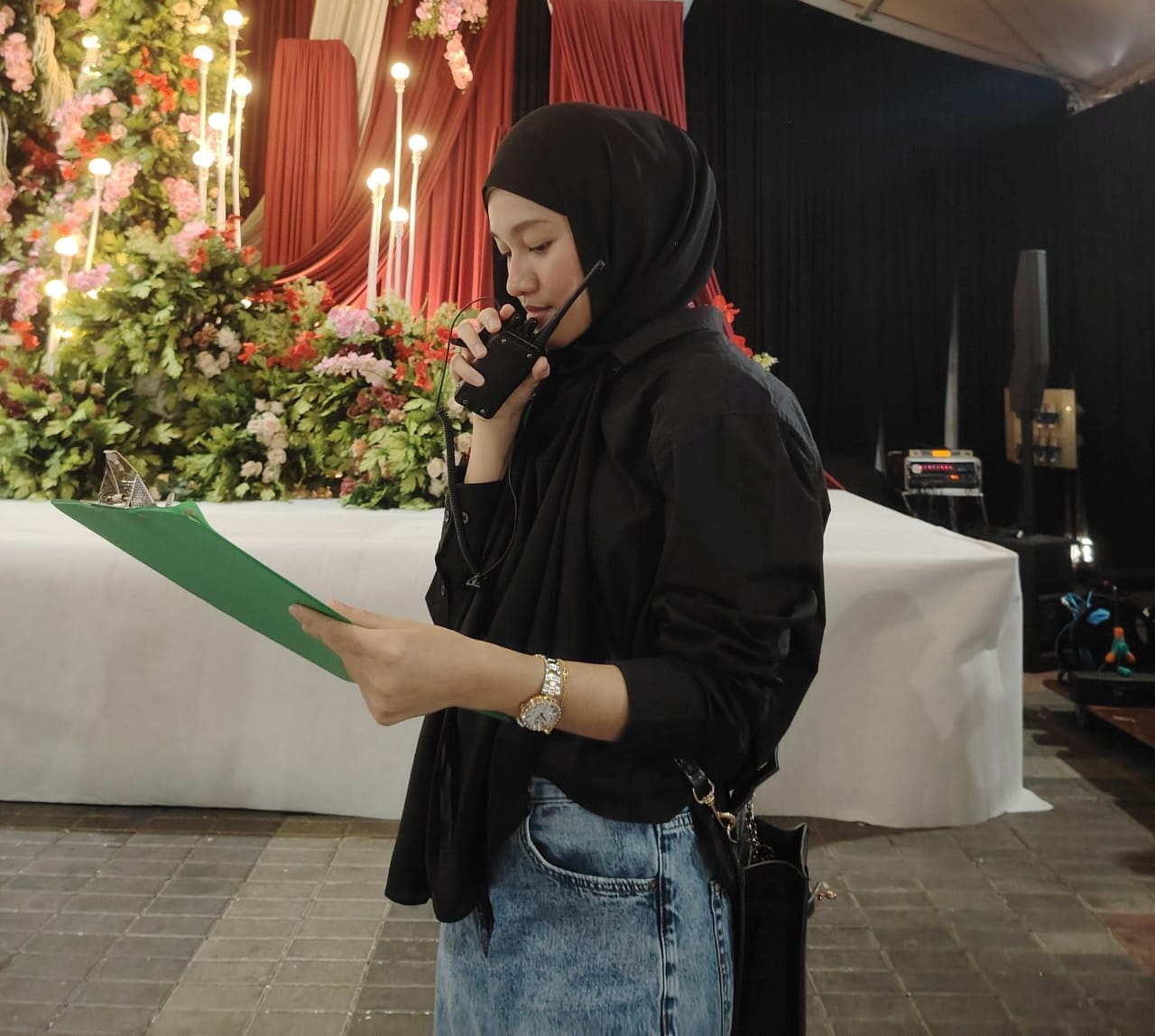
Stage Manager by AIMH Company
A Stage Manager communicates with different people involved in the event, including the emcee, performers, speakers, musicians, technicians, and backstage crew. They make sure everyone understands the programme sequence and knows when they need to be prepared. Good communication is important because many activities may happen at the same time during an event.
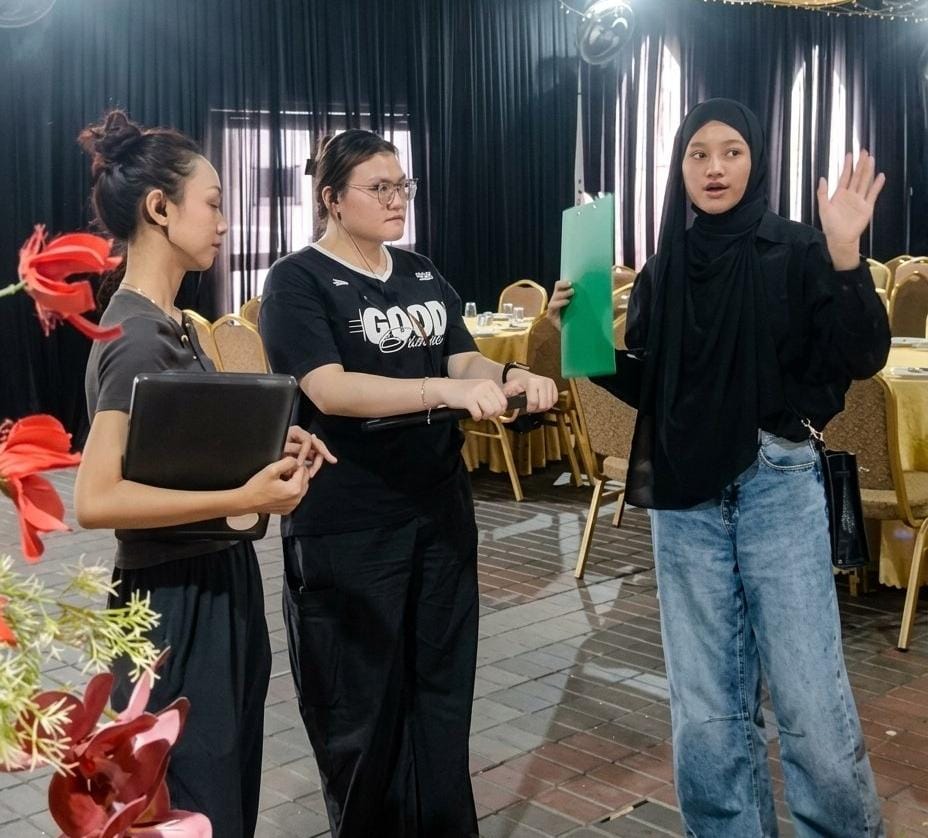
Briefing the crew before going rehearsel.
A Stage Manager checks and prepares the stage area before the event begins. They make sure microphones, speakers, lighting, chairs, tables, props, backdrops, and other equipment needed for the programme are available and properly positioned. They may also work with the technical team to ensure everything is ready before the event starts.
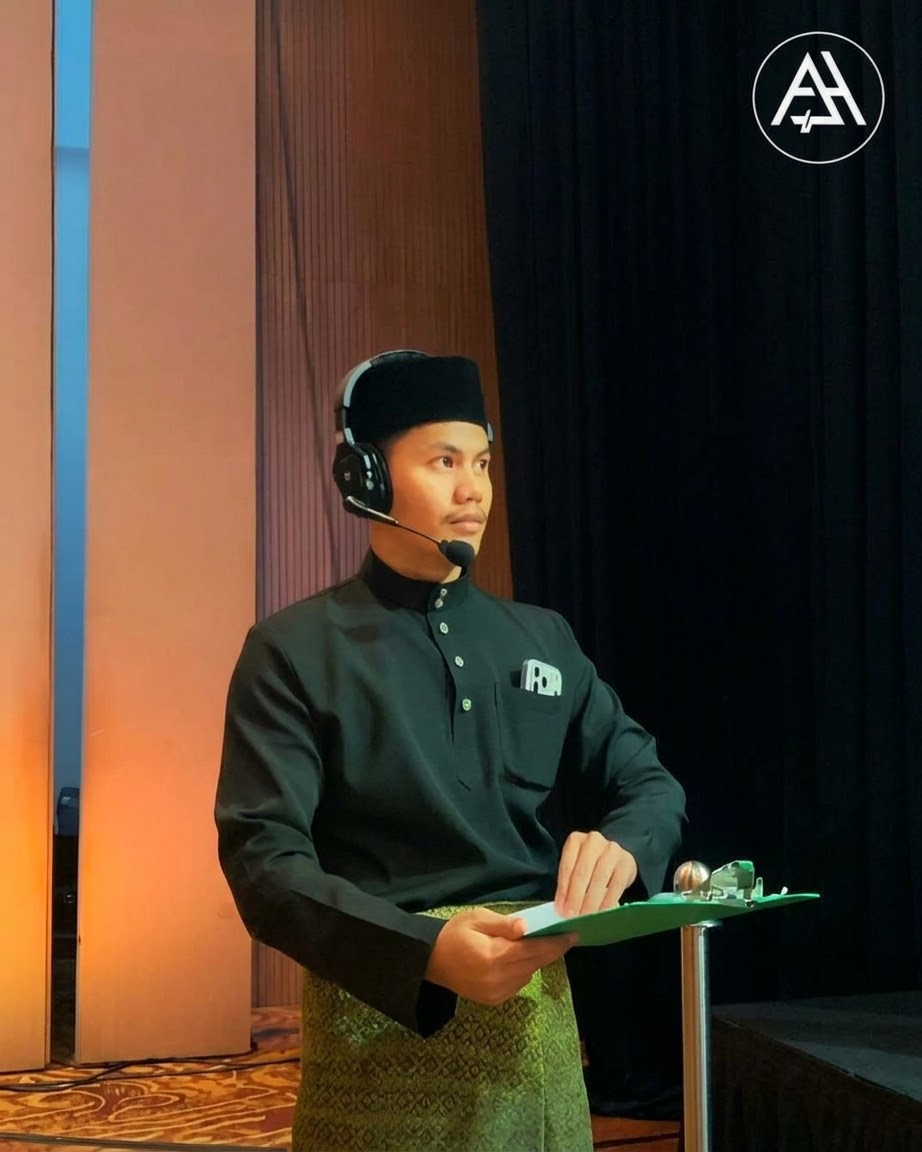
Directing the team to ensure everything runs smoothly.
A Stage Manager monitors the situation backstage while the event is taking place. If there is a technical issue, missing equipment, unexpected delay, or sudden change in the programme, they communicate with the relevant team and help find a suitable solution. Their ability to remain organised and calm can help minimise disruption to the event.
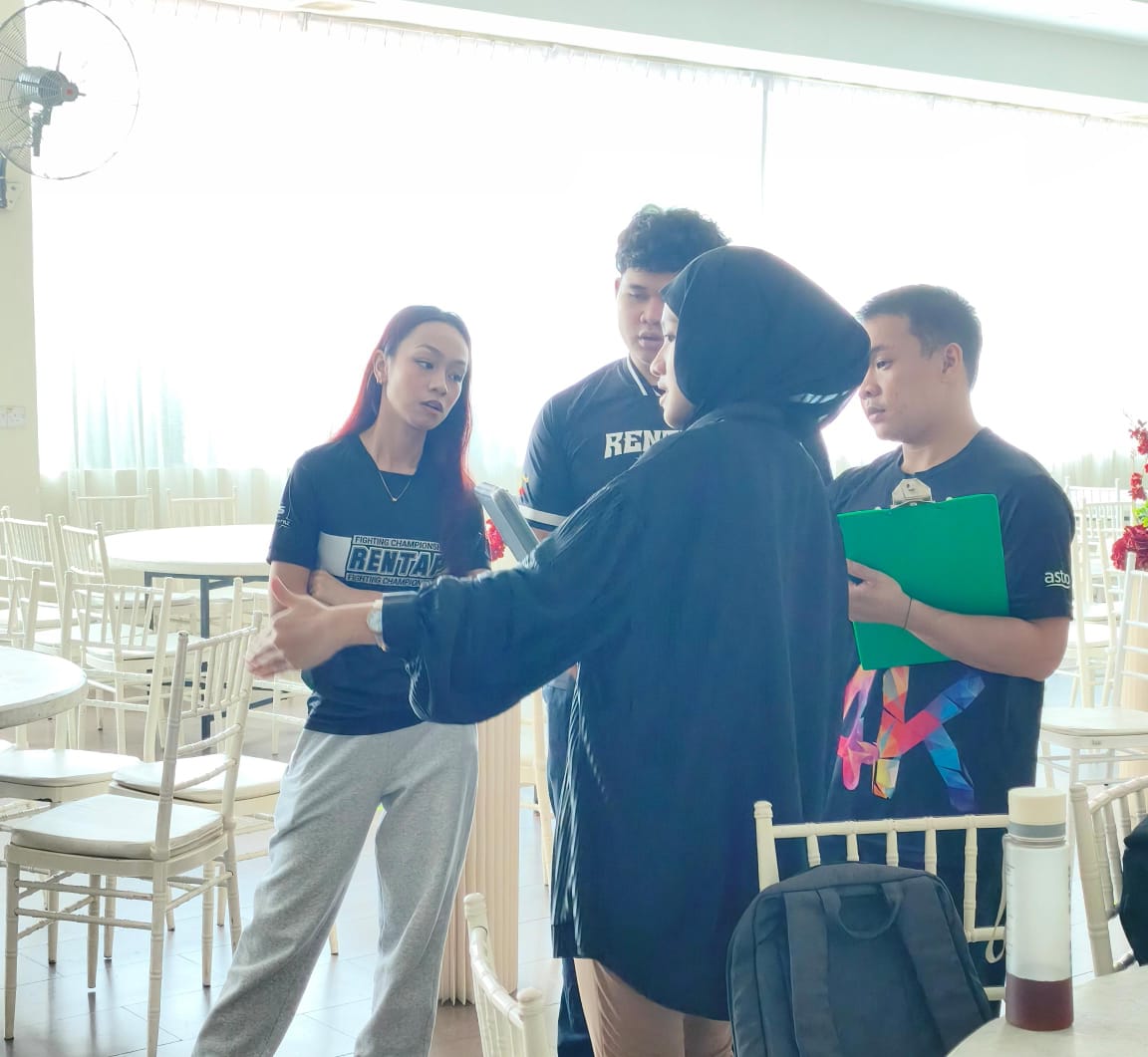
Monitoring every detail from backstage.
A Stage Manager works closely with the event organiser and other departments from the preparation stage until the event ends. They coordinate information between the backstage, technical, production, and event teams to ensure everyone is working according to the same plan. After the event, they may also assist with the closing programme, stage breakdown, and checking that all stage-related activities have been completed.
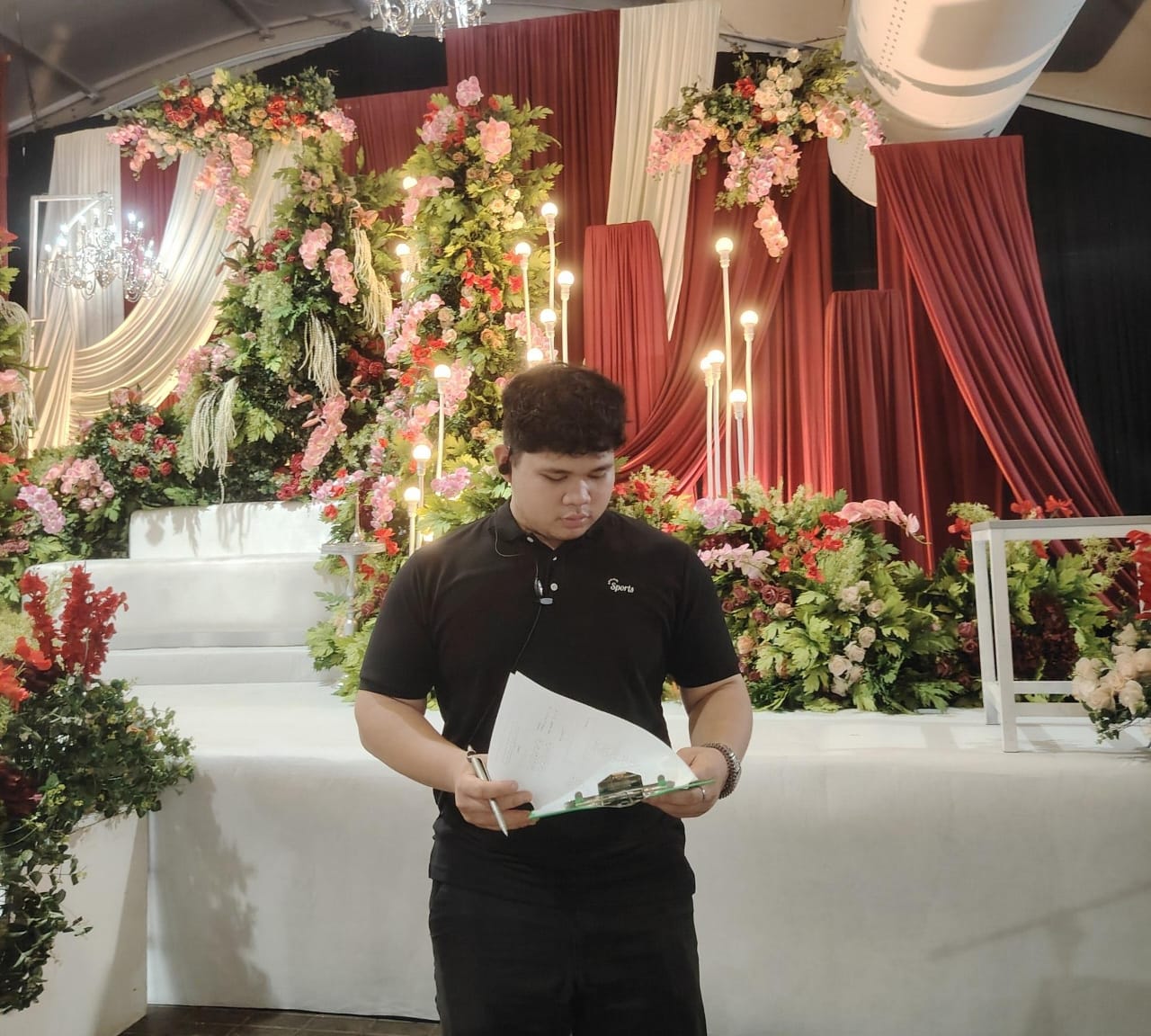
Checking the schedule to keep.







Leave a comment