

No products in the cart.
Event Tentative & Call Time: The Key To A Well-Organised Event
Behind every successful event is careful planning, coordination and good time management. While guests may only see the result, there is a lot happening behind the scenes to ensure every activity runs smoothly. Two important elements that help keep an event organised are the event tentative and call time.
1. What is an Event Tentative?
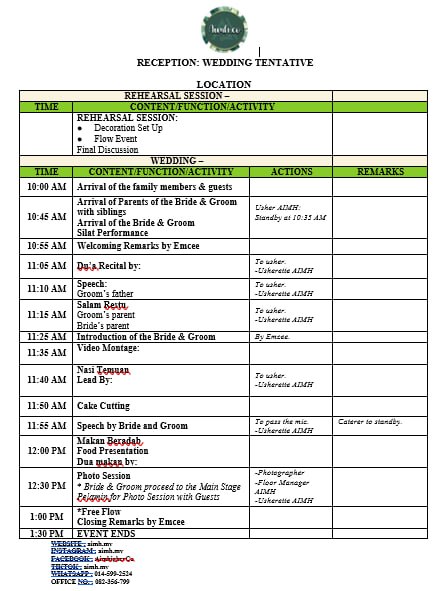
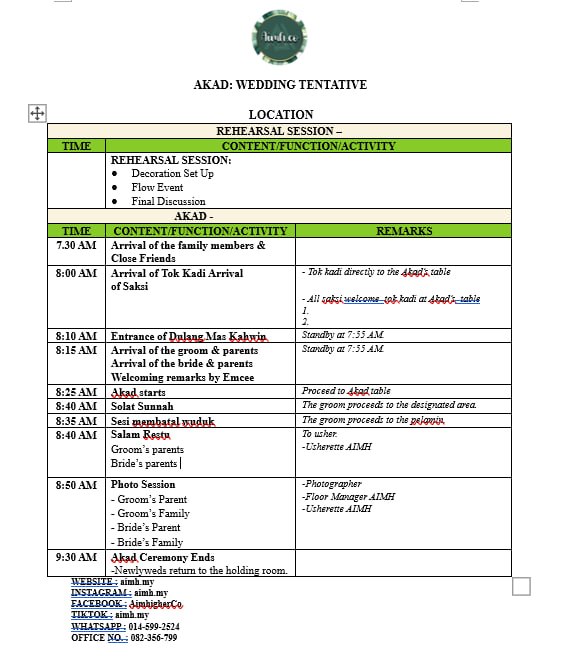
An event tentative is a structured schedule that outlines the activities and programme flow throughout an event. It provides the event team, vendors, performers, and other parties involved with a clear understanding of what will happen and when.
From venue setup and technical checks to guest arrival, performances, speeches, and closing activities, each part of the event can be arranged according to a specific timeline. A well-prepared tentative also allows the team to identify potential timing issues and adjust before the event begins.
2. Why is Call Time Important?
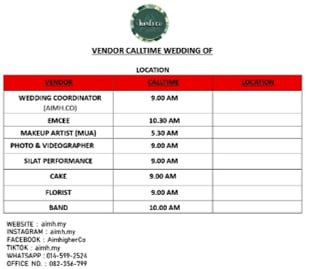
Call time refers to the specific time when event crew, vendors, performers, or other team members are expected to arrive at the venue. It is usually scheduled earlier than the actual event start time to allow sufficient preparation.
Arriving early gives the team time to set up equipment, arrange decorations, conduct sound checks, prepare registration areas, and complete other necessary tasks. It also provides a buffer for handling unexpected issues before guests arrive.
3. Keeping Everyone on the Same Schedule
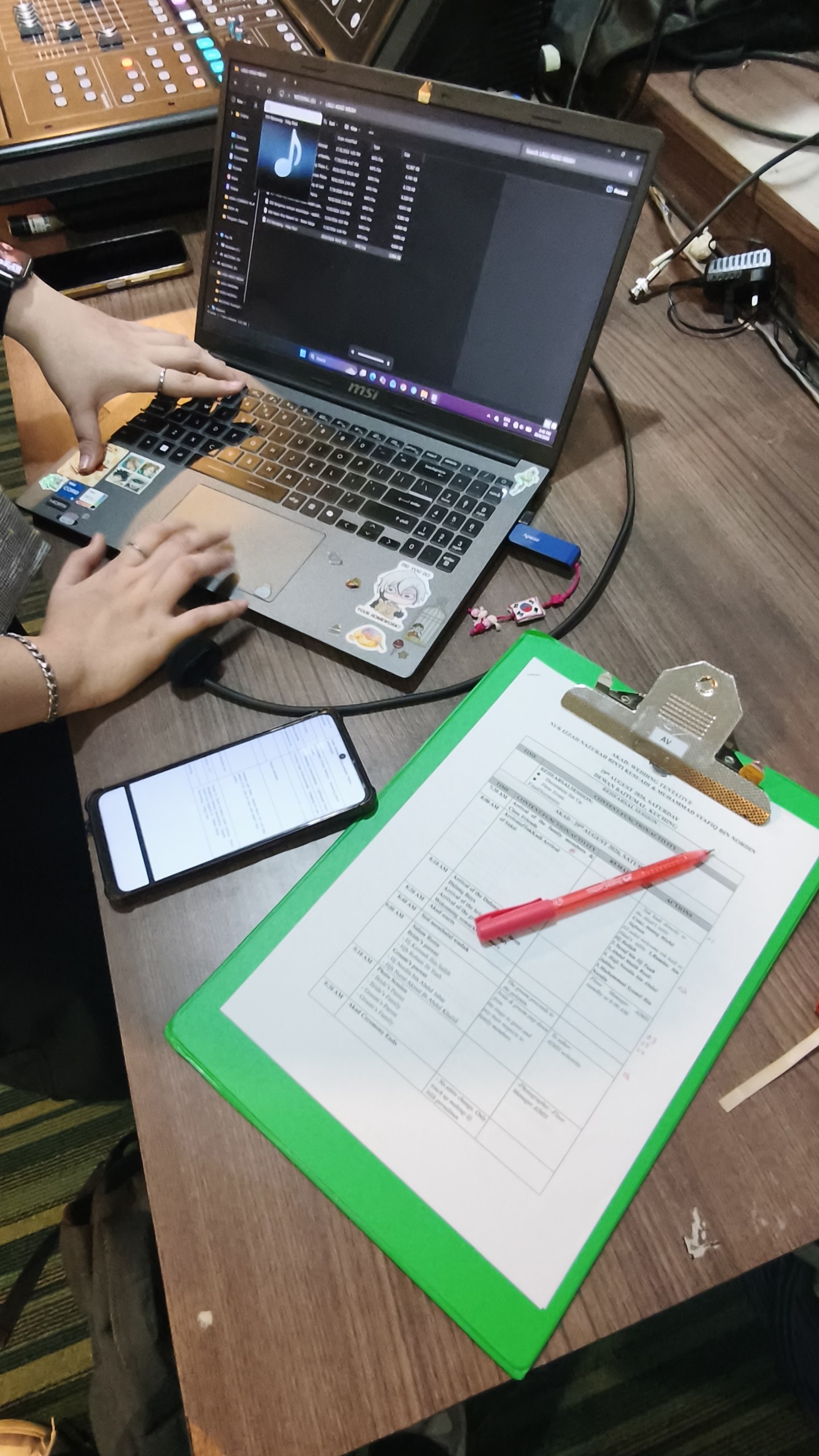
A clear tentative and call time help create better communication among everyone involved in an event. Each team member understands their responsibilities and knows when they need to be present.
This reduces confusion, prevents unnecessary delays, and allows different teams to coordinate their work more effectively.
4. Preparing for the Unexpected
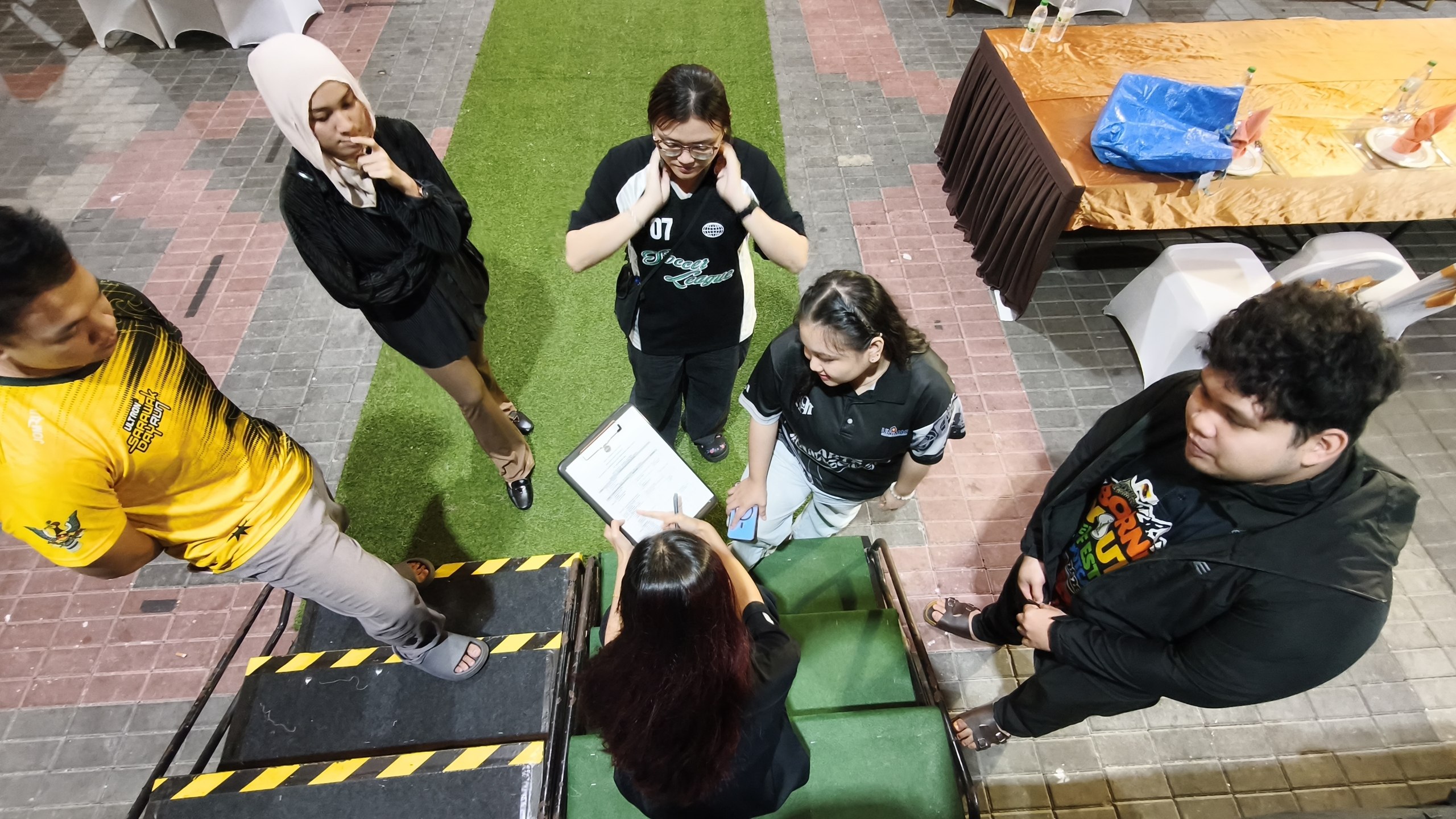
Even with careful planning, events can experience last-minute changes or unexpected situations. Equipment may require additional testing, vendors may need extra setup time, or the programme may need to be adjusted.
Having a detailed tentative and sufficient call time gives the event team flexibility to manage these situations without significantly affecting the overall event flow.
5. Creating a Smooth Event Experience
Good time management is not only about keeping the event on schedule. It also contributes to a better experience for guests. When the team is prepared and activities are well coordinated, guests can enjoy the event without being affected by unnecessary delays or confusion.
Ultimately, an effective event tentative and clear call times provide the foundation for a well-organised event. With proper planning, communication, and teamwork, every detail can come together smoothly, allowing the event team to focus on creating a memorable experience for everyone involved.






Leave a comment